Posting means putting a fountain pen’s removed cap on the back of its barrel while writing. It can give a short pen more usable length, but it also adds the cap’s weight behind your hand. The choice is worth considering only if your particular pen accepts its cap securely at the rear. From there, ask whether the extra length makes writing more comfortable—and whether the change in balance or possible marks on the barrel matter more to you. Writing with the cap off is an equally valid choice.
Where the Cap Goes—and Whether It Fits
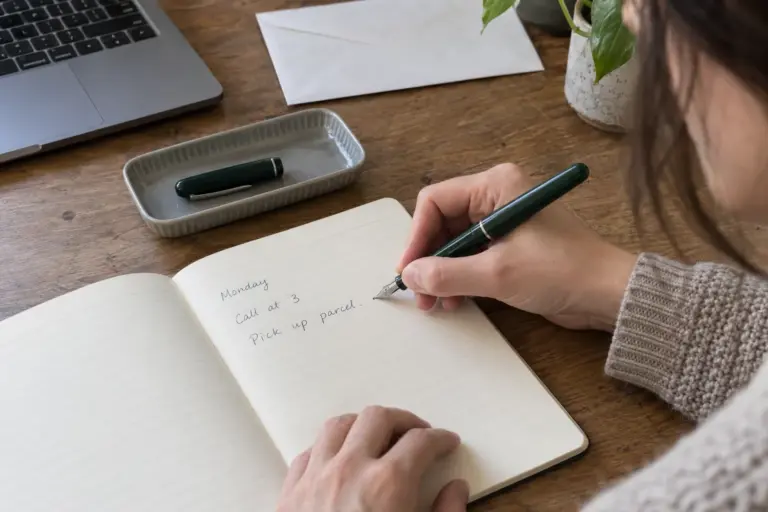
A capped fountain pen has three distinct arrangements. Posted means the cap is off the nib and attached to the rear of the barrel while you write. Unposted means the cap is off the pen altogether while you write. In both cases, the nib is exposed. Recapped means the cap is back over the nib when you have finished; it is not another way of describing unposted writing.
Many capped pens can be used either posted or unposted, but not all caps are meant to go on the barrel’s rear. Cult Pens makes that exception explicit, so a picture of someone posting a different pen is not enough to establish what will work with yours. Check the maker’s guidance for the actual model. If posting is intended, the cap should settle into place naturally and remain stable without being pushed hard.
If it slides, feels loose, or seems to need force—or if the model is not intended to post—leave it off. There is no need to modify the cap or barrel to make posting an option. A cap that can be removed from the nib does not, by that fact alone, have a suitable place at the other end.
When writing unposted, put the cap somewhere stable and within reach so you can cover the nib normally afterward. Holding it in your other hand is also an option: a reviewer at The Pen Addict describes doing that with one configuration of the Inventery Pocket FP. Neither approach changes how the pen writes; the point is simply that the cap need not be attached to the barrel while the nib is in use.
What Posting Changes for a Short Pen
A compact pen’s closed length tells you about its size with the cap covering the nib, not how much barrel you hold while writing. Its unposted writing length is the pen with that cap removed. Its posted writing length includes the cap attached at the rear. Those are different configurations, and a closed measurement should not be mistaken for either writing length.
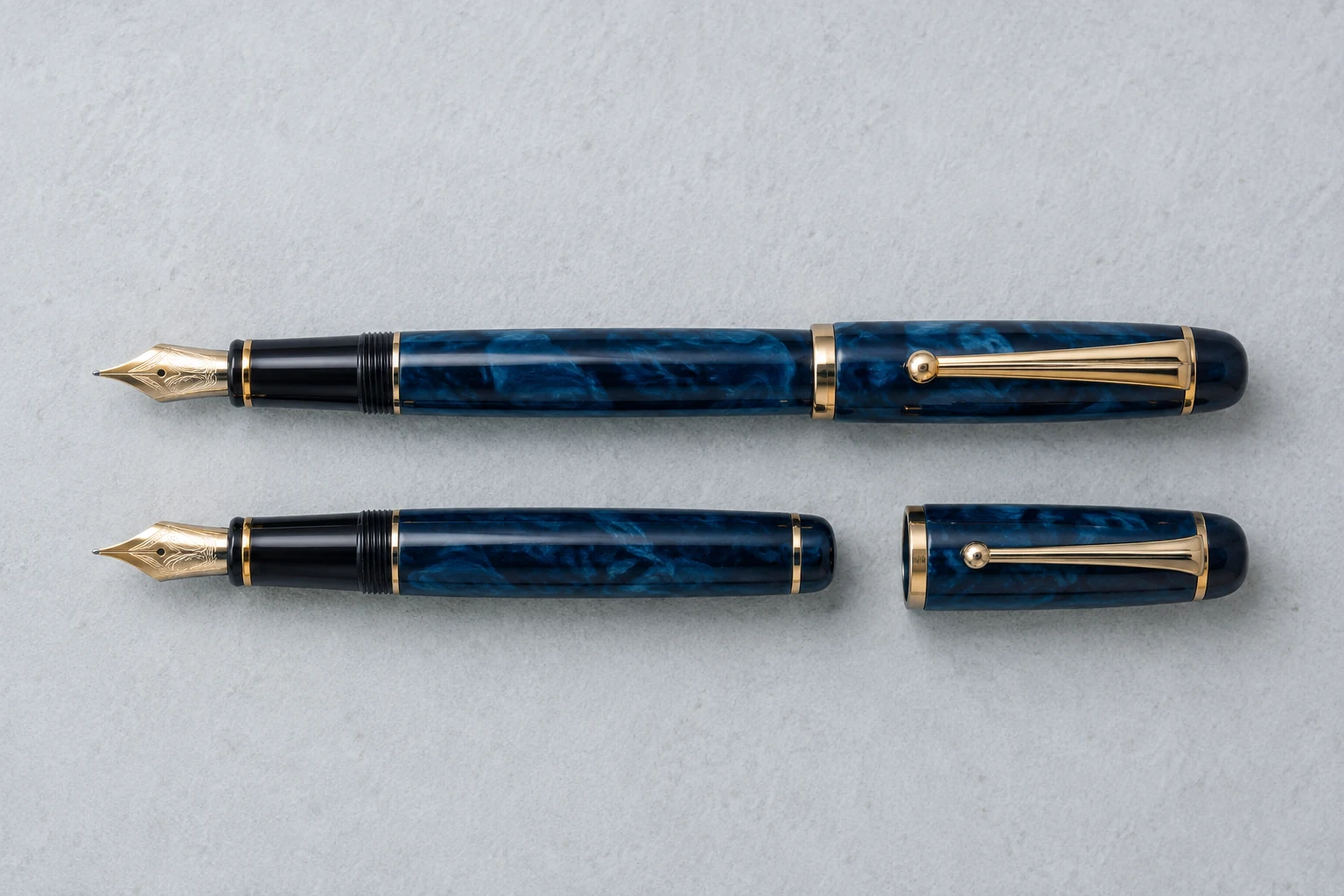
Kaweco gives a useful example with the Classic Sport. The maker says it measures 10.5 cm when closed and becomes a standard-sized pen when its cap is attached to the barrel’s rear. The 10.5 cm figure is specifically the closed measurement; it does not tell you the exact unposted or posted length. What Kaweco’s description does show is the intended contrast: compact when capped, longer when set up to write posted.
Why might that matter in a hand? The practical issue is not whether a posted pen reaches a particular number of centimetres. It is whether enough of the pen extends past your grip to rest comfortably as you write. If an unposted barrel feels too short to settle where you want it, attaching the cap may supply useful length. That is the benefit to evaluate, rather than length for its own sake.
Cult Pens observes that many people would find the Kaweco Sport and Liliput somewhat uncomfortably short without posting. That observation identifies a reason to try posting those small pens, not a rule that every writer must do so. A hand and grip that find the unposted pen comfortable have no length problem to solve. Nor does the description of those two pens establish that every pocket pen needs its cap on the back.
This is why carrying size and writing comfort deserve separate judgments. A pen may be appealingly compact when closed, yet feel short when uncapped; posting can change the latter without changing how it carries. Equally, an unposted pen may already rest comfortably in your hand. In that case the added length might offer little benefit, and the next question—what the cap does to balance—becomes more important.
Why a Longer Pen Can Feel Less Comfortable
Posting changes two things at once. The cap extends the pen behind your grip, and its weight moves to that end of the pen. Goulet Pens identifies the added weight at the back as a consideration that can tire a writer’s hand. Cult Pens, meanwhile, notes that preferences differ: some writers like a somewhat top-heavy feel and others do not. Neither observation makes rear weight automatically bad, or extra length automatically good.
Pay attention to what happens during ordinary writing rather than judging the pen solely by how it feels when first picked up. Does the extra length give your hand a comfortable place to rest? Does the rear feel pleasantly present, barely noticeable, or distracting? Do you find yourself repeatedly correcting the pen’s position? “Too top-heavy” is a useful description if that is what you feel, but it is not a verdict that applies to everyone holding the same model. Cult Pens raises that very question about the posted feel rather than prescribing one balance for all writers.
The Pen Addict’s July 2018 review of the Inventery Pocket FP illustrates how specific the answer can be. The reviewer found it comfortable to post the cap without the pen’s optional body extension. With that body extension installed, posting the same cap made the pen too long and upset the balance for that reviewer’s hand. In the longer configuration, the reviewer was content to keep the cap in the other hand while writing. The extension in this account is a change to the pen’s body, not another name for its posted cap.
The limited lesson is that a cap which feels right on one body configuration may not feel right on a longer one. It does not establish a maximum comfortable pen length, or predict how another hand will respond to that model. It does, however, explain why “posting makes a short pen longer” cannot settle the decision by itself. You need to judge the length and rear weight together on the configuration you actually use.
For example, suppose an unposted pen rests comfortably in your hand, but posting it makes you adjust your grip to keep the rear from distracting you. The extra length has not solved a problem you had. Conversely, if the unposted barrel feels short and the posted pen remains comfortable through your usual writing, the added length may be worthwhile.
When to Leave the Cap Off—and How to Choose
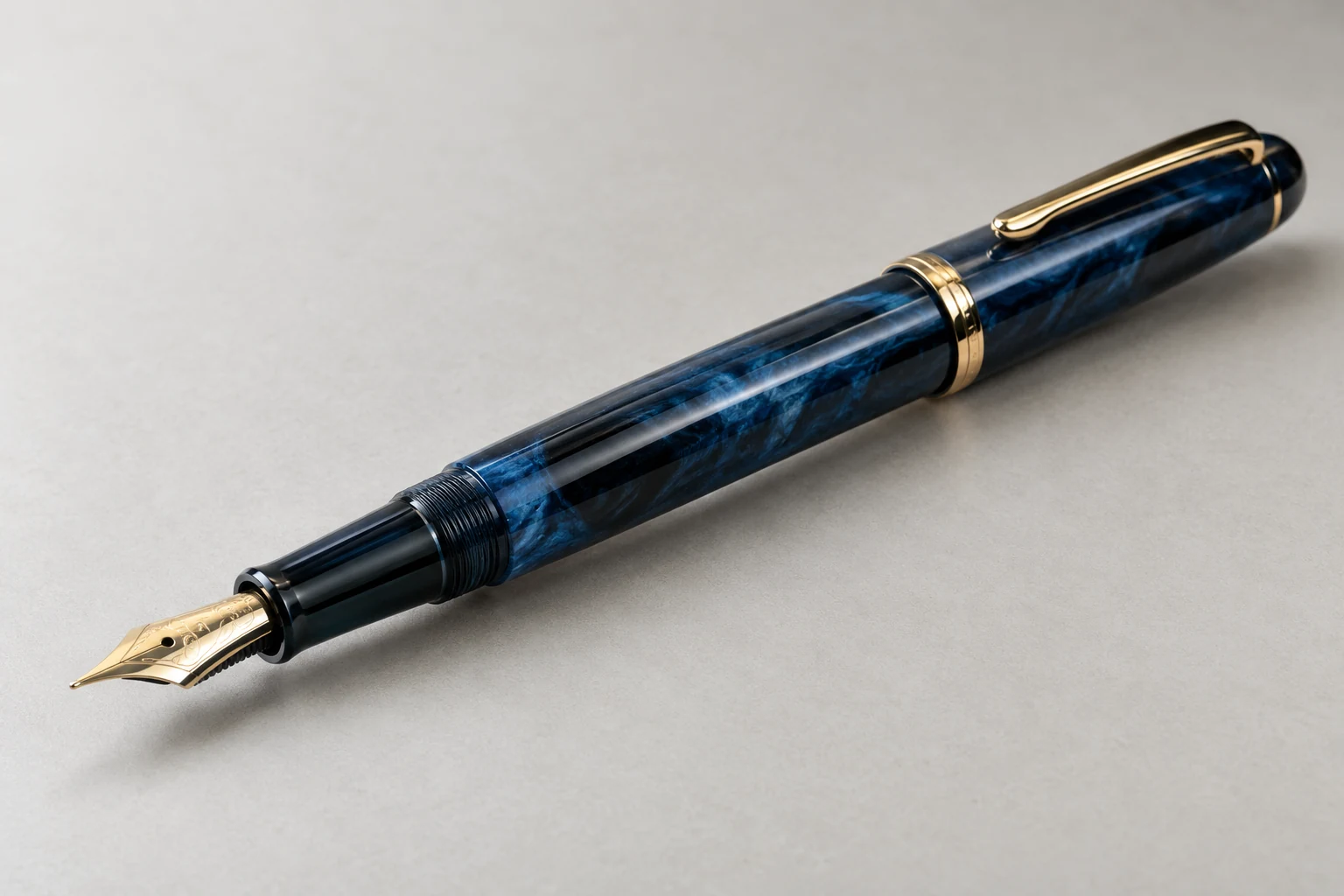
Fit is the first stop point. If your model is not meant to post, or its cap will not sit naturally and stably at the rear, write unposted. Even with a compatible fit, consider the barrel’s finish before trying it. Cult Pens warns that posting on a smooth, polished barrel may leave marks—often a scuffed ring where the cap presses against it. That is a possibility, not a claim that every posted cap damages every pen. A cap that goes on gently can still contact the finish.
If keeping an expensive pen pristine matters more to you than gaining posted length, you need not risk a comparison. Cult Pens considers leaving the cap off the safer choice for that priority. Put it somewhere secure while you write and recap over the nib when you finish. This is a decision based on what you value about that pen, not an admission that you are using it incorrectly.
If the model accepts posting and you are comfortable with the possible finish trade-off, a brief writing comparison is more informative than holding the two configurations in the air. Keep the pen, nib, ink, paper, ordinary writing task, and your normal grip the same. First write a line or short passage unposted, with the cap safely aside. Notice whether the barrel has enough length to rest comfortably in your hand and whether keeping it there makes you tighten your grip.
Then gently post the cap and write a comparable line or passage. Ask whether the new length actually helps. Notice the added weight behind your hand and whether you have to make distracting corrections as you write. Use how each arrangement feels during writing to choose the one that suits you.
A first word may reveal an obvious poor fit or an immediately awkward balance, but it need not settle a subtler comfort choice. If both arrangements initially seem reasonable and the distinction matters to you, compare them during the kind of session for which you normally use the pen. If fit or finish preservation has already ruled out posting, leave the cap off rather than comparing.
Post when the cap fits properly, the extra length helps your hand, and you accept the balance and finish trade-offs. Leave the cap off when the unposted pen is already long enough, the rear weight feels unpleasant, the fit is unsuitable, or preserving the finish matters more. If both ways work, either is reasonable; as the Inventery example shows, even the same writer’s choice can change when the pen’s configuration changes.