
Paper & Compatibility · 10 min
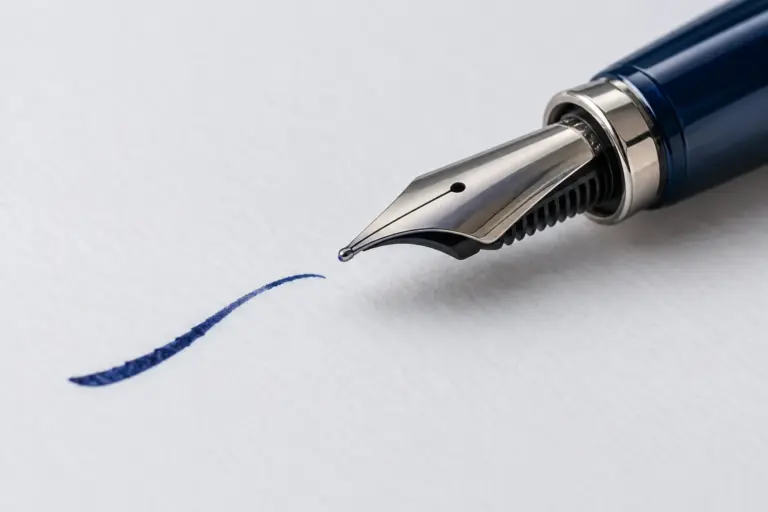
Fountain Pen Paper Guide: GSM Bleed-Through and Feathering Explained
Learn how GSM, feathering, bleed-through, and ghosting differ, and how to test paper with your fountain pen and ink.
Read guide →Practical guides
Practical fountain-pen guidance grounded in real writing conditions, reversible care steps, and clear limits on repair advice.
Learn how GSM, feathering, bleed-through, and ghosting differ, and how to test paper with your fountain pen and ink.
Read guide →
Learn how to choose compatible pens and ink, pack them against leaks and breakage, and keep your writing kit usable during long-term travel.
Read guide →
Learn how to flush waterproof ink from a fountain pen, address stubborn residue, and follow ink-specific cleaning rules before storage.
Read guide →
Learn to check fountain pen ink flow by comparing your usual setup, testing reversible causes, and knowing when to seek repair.
Read guide →
Learn how fountain pen ink evaporates in pens, cartridges, and bottles, and how to distinguish drying from signs of spoiled ink.
Read guide →
Clean a piston-filler fountain pen with water, address stubborn ink, and decide whether to refill it or let it dry before storage.
Read guide →
Learn how to fill a vacuum-filler fountain pen, secure it after filling, and check the shutoff if ink flow stops.
Read guide →
Understand how bottle openings, ink depth, and stability affect fountain pen filling and when another filling method may help.
Read guide →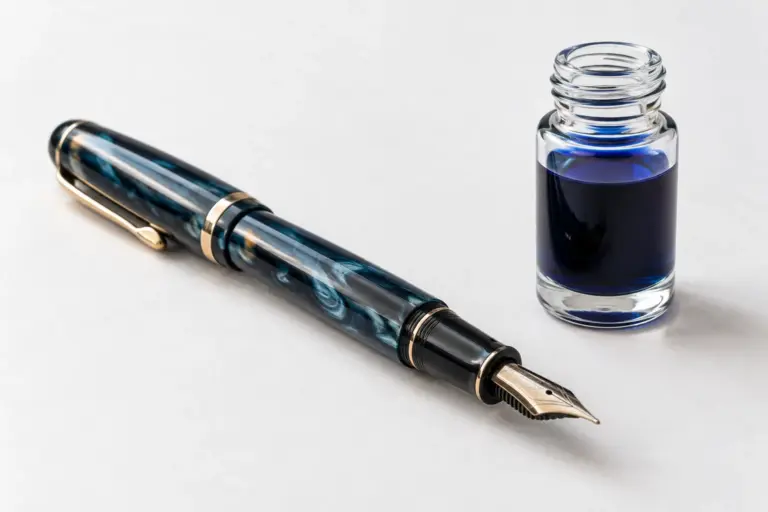
Learn how to fill a fountain pen from an ink sample vial using the nib, a removable converter, or a syringe.
Read guide →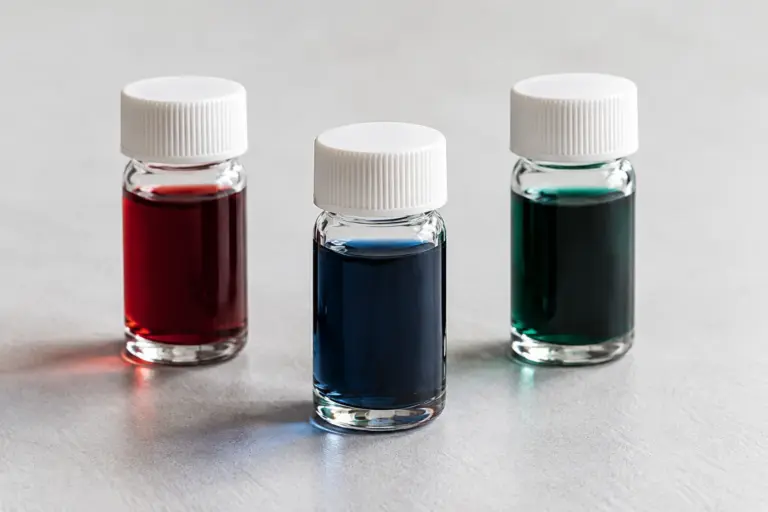
Learn how to choose, test, and compare fountain pen ink samples in your own pen and on your paper before deciding whether to buy a bottle.
Read guide →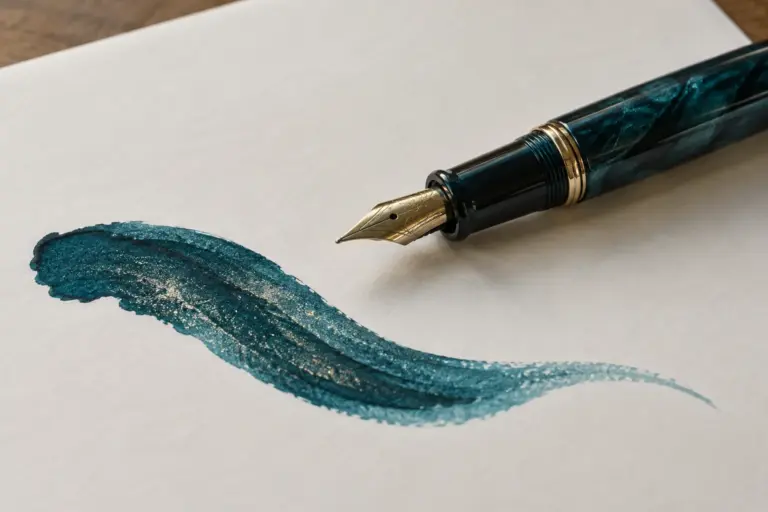
Learn how to choose a pen and paper, keep shimmer ink flowing, and clean your fountain pen after writing.
Read guide →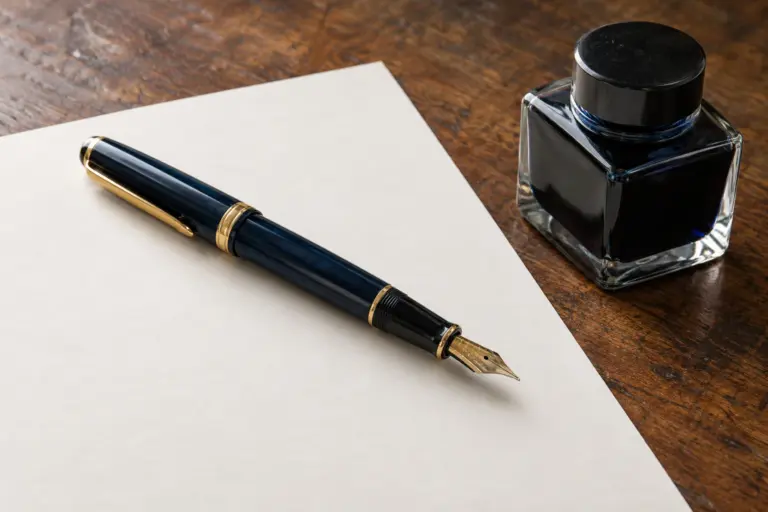
Compare fountain pen inks, nibs, and paper to find visible shading that stays readable and practical after drying.
Read guide →